When a panda revives a cheese brand
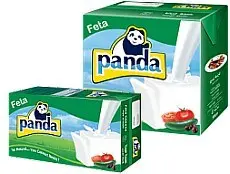
In2010, an Egyptian advertisement for the cheese brand Panda will mark the history of communication.
What was supposed to be a local campaign became, in a few months, a global viral advertisement.
Thanks to a simple idea, a perfectly executed humorous presentation and a unique emotional contrast, the brand achieved a marketing masterstroke.
A look back at “Never Say No to Panda”, a textbook case of humorous marketing.
An advertisement born in Egypt before conquering the web
First broadcast in May 2010 on Egyptian television, the “Never Say No to Panda” campaign consists of three advertisements.
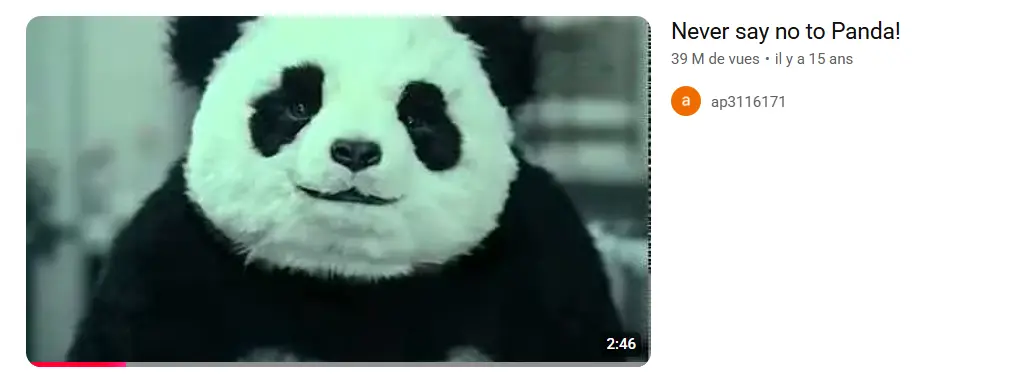
But the real turning point comes in September 2010, when these episodes are published on YouTube.
Very quickly, the video becomes viral, accumulating millions of views and propelling the brand beyond the borders of Egypt.
A simple, funny and universal staging
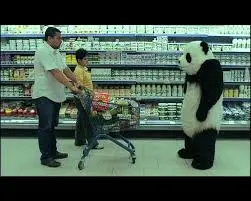
Each advertisement features a person refusing to buy or consume a product Panda.
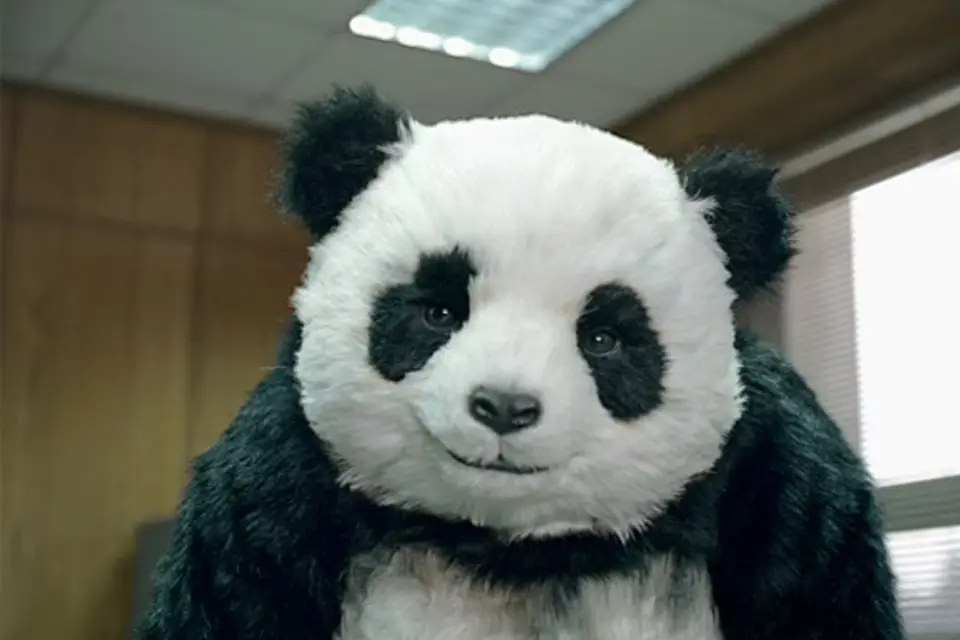
A adorable panda then appears, accompanied by a soft and soothing music… until everything changes.
In an instant, the panda goes into a frenzied rage, destroying everything around it, and the slogan appears:
“Never Say No to Panda.”
This contrast between the cuteness of the panda and its sudden violence creates a memorable humorous twist.
It is precisely this mix oftenderness and surprisethat makes this advertisement so effective.
The power of emotional contrast
This Egyptian advertisement relies on aduel of emotions :
on one side, the gentleness and the soothing music,
on the other, the surprise and the comic shock of the furious panda.
This opposition creates a strong emotional experience for the viewer.
As a result, the advertisement leaves a lasting impression from the very first viewing and remains memorable thanks to its absurd humour.
An unexpectedly brilliant choice of mascot
The panda becomes the official mascot of the brand.
This choice, both original and coherent, allows Panda to:
intelligently leverage its brand name,
associate the animal with the product,
create a recognisable sound signature through music.
Thus, each visual or auditory element immediately refers to the brand.
It is a simple yet exemplary branding lesson.
An advertisement that speaks to everyone
The scenes of refusal presented in the ads are universal..
Everyone has found themselves saying “no” to a purchase proposal or a dish.
The viewer can therefore easily identify: and if they said “no” to the panda, what would happen?
This emotional proximity makes the advertisement even more impactful and viral..
Virality: a buzz born from the Internet
Initially, the television campaign did not have the desired effect.
But the upload on YouTube changes everything.
In September 2010, the compilation of the first three episodes triggers a real internet buzz.
In less than two years, the video accumulates 17 million views (up to July 2012).
The brand has also managed to capitalize on this digital success thanks to a in-store marketing activation (sampling, mascot, presence of the panda in retail outlets) from November 2010.
A perfect combination ofviral advertisingandfield marketing.
An advertisement that divides… and gets people talking
While some viewers — particularly in Asia — found the advertisement too aggressive, others deemed it brilliant and hilarious.
This double effect is precisely what gives buzz its strength:
whether you love it or criticise it, people talk about it.
And for the brand, any discussion is good to have, as long as it remains controlled.
“Bad buzz is still buzz — if it’s well managed.”
Concrete results for the Panda brand
Behind this humorous communication stunt lies a real commercial turnaround.
The brand, struggling before the campaign, has regained the top spot in volume in the market for cottage cheese.
Even though the precise figures are not public, the advertisement has clearly allowed Panda to revive its notoriety, to the point of contributing to its acquisition in 2015.
In other words: this advertisement has redefined the brand's destiny.
“Never Say No to Panda”, a textbook case of humorous marketing
The campaign “Never Say No to Panda” proves that an idea simple, funny and well executed can have a global impact.
Thanks to its emotional contrast, its universal humour and its original positioning, Panda has managed to :
create an iconic figure,
leave a lasting impression,
and revive its brand thanks to a perfectly leveraged viral buzz.
Moral: never say no to Panda.
And above all, never underestimate the power of laughter in advertising.