A surprising, funny… and brilliantly conceived advertisement
Many of us grew up with these amazing Japanese advertisements, often full of energy, quirky humour and inventiveness.
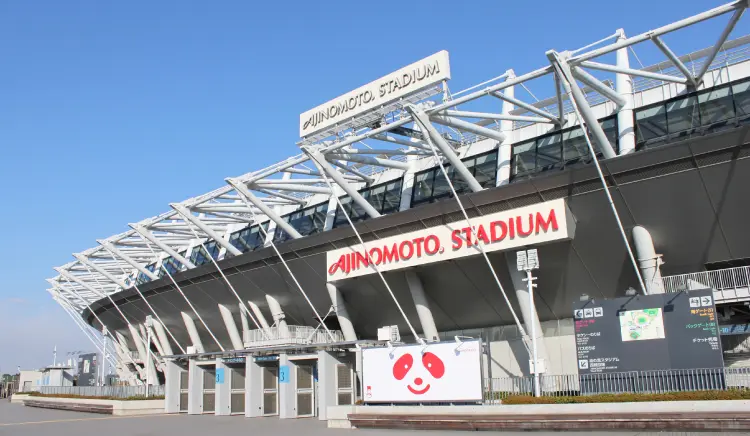
The one we are going to talk about today is a perfect example: an advertisement aired from December 2004, mainly in2005, for the Ajinomoto Stadium, one of the largest stadiums in Japan.
This spot tells a story that is both romantic and absurd, full of symbolism and humour, while serving the marketing objectives of a major Japanese food brand: Ajinomoto.

Between love, surprise and humour
The advertisement opens with a young man arriving in a new city for his studies.
He quickly discovers that all the girls he encounters are beautiful. But when he enters his lecture hall, shock: all these young women have broken voices, deep, hoarse, as if they had been shouting all night.
Desperate to find love, the young man eventually meets a woman who is “less perfect” by aesthetic standards, but who, has a normal voice.
After a knowing moment, he asks her why her voice is different.
She simply replies:
“I don’t go to the stadium.”
The punchline is immediate: we then discover that the “pretty girls” are shouting at the stadium to support their favourite team — to the point of damaging their vocal cords.
A simple, funny idea and above all… perfectly Japanese.

An advertisement for a stadium… and for a brand
This advertisement promotes the Ajinomoto Stadium, an iconic venue hosting national football and rugby teams, as well as major sporting and cultural events.
But unlike a classic advertisement for a team, here, the stadium itself is highlighted.
Why?
Because the naming of the stadium— that is to say, the fact that the commercial name is that of a company, here Ajinomoto— serves to enhance the brand's visibility.
So it is a “advertisement within an advertisement”, where humour serves to embed the brand name in collective memory.
A simple idea, but a brilliant marketing concept
This advertisement has several layers of meaning:
It highlights the intense atmosphere of the stadium, with passionate supporters;
It humanises the Ajinomoto brand, by linking it to positive emotions: sport, joy, community;
And above all, it makes the name of the stadium memorable, thanks to absurd and effective humour.
The implicit message is clear:
“Ajinomoto Stadium is the place where everyone comes together, where everyone shouts, where passion is total.”
In doing so, the brand manages to link its values of energy, sharing and friendliness to those of sport and entertainment.
A typically Japanese humour: absurd, visual and memorable
The strength of this advertisement is its humour:
The contrast between the beauty of the young women and their hoarse voices creates an incongruous situation.
The final revelation is both surprising and funny, while conveying a real story.
This type of humour —quirky but sincere— is typical of Japanese advertising, which loves exaggerations and unexpected situations to better mark the public's memory.
A brand advertisement more than a stadium advertisement
Ultimately, this advertisement does not sell a sporting event: itsells values.
It associates Ajinomoto with:
the communion of the public,
the collective joy,
and the emotional proximity between people.
It is a brand advertisement above all — a demonstration of what is called in marketing “top of mind awareness”, that is to say, the ability to make a name come spontaneously to the consumer's mind.
In other words: when you think of the stadium, you think of Ajinomoto. And vice versa.
A masterful storytelling: intrigue, surprise and twist
Narratively, the advertisement is perfectly constructed :
Introduction: a student discovers a new environment;
Disruptive element: the discovery of strange voices;
Intrigue: the search for an explanation;
Twist: the humorous revelation — “I don’t go to the stadium.”
This classic structure of advertising storytelling is executed brilliantly, allowing the brand to create a short but impactful story, akin to a mini-film.
An award-winning and globally recognised advertisement
The campaign has experienced an international critical success, winning prestigious awards such as the Cannes Lions and the Cresta Awards.
This recognition has benefited not only Ajinomoto, but also Dentsu, the Japanese creative agency behind the project.
These distinctions have strengthened the reputation of Dentsu as a global reference in advertising creativity.
The agency's clients saw it as tangible proof of its mastery of humorous storytelling and its ability to generate awareness through creativity.

A debate on humour and stereotypes
As is often the case with humorous advertisements, this one also sparked some debates.
Some have criticised the representation of women and the discrepancy between beauty and deep voice, seeing it as a form of gender stereotype.
Organisations like AdRespect have raised questions about the social implications of the gag.
However, the majority of the public and critics defended the advertisement, believing that the humour relied on sporting exaggeration and not on sexist mockery.
The overall consensus: aquirky, bold and harmless, in the purest Japanese tradition.
Stadium naming: a powerful marketing lever
This advertisement allows for a strategic point to be addressed: why do brands buy the naming rights of stadiums?
Naming offers several major advantages:
Constant visibility: the name of the stadium appears on tickets, TV broadcasts and event posters;
Emotional association: the brand is associated with victories, moments of joy, and the local community;
Local power: for a company, supporting a stadium strengthens the sense of territorial anchoring.
Famous examples:
Allianz Arena (Bayern Munich)
MMArena (Le Mans)
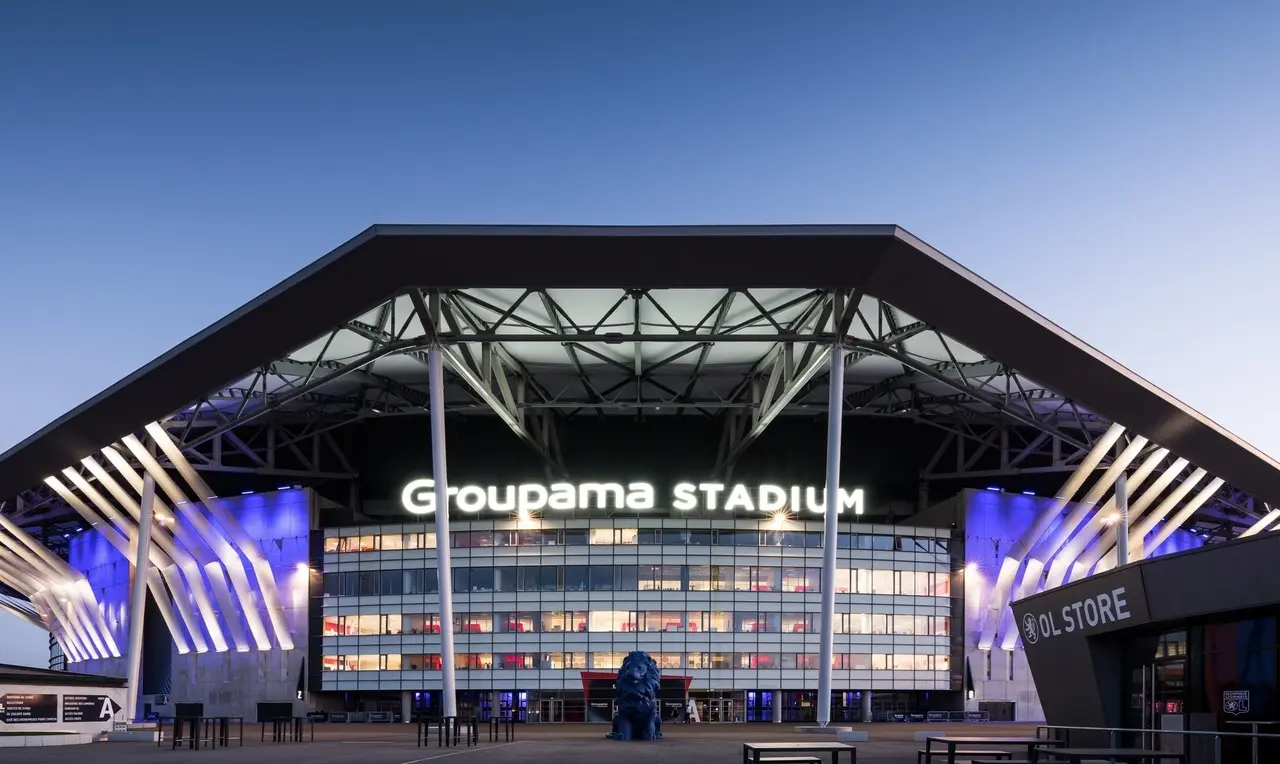
Matmut Stadium (Lyon)
In the case of Ajinomoto, the naming of the stadium is a logical extension of its brand awareness strategy, using sport as a vector of emotion and visibility.
Conclusion: a funny, intelligent, and strategic advertisement
This Japanese advertisement for the Ajinomoto Stadium is a masterpiece of humorous marketing.
It succeeds in:
making people laugh,
making people think,
and enhancing brand awareness through a memorable story.
It is both an advertisement for a stadium, a food brand, and a creative agency.
A perfect example of multi-level communication — creative, intelligent, and emotional.
In summary: a cult advertisement, funny and visionary.