There are advertisements that stand out for their message, their emotion, or their ability to make us feel something deeply human. Some go viral, not because they had a colossal budget, but because they tell a sincere and universal story.
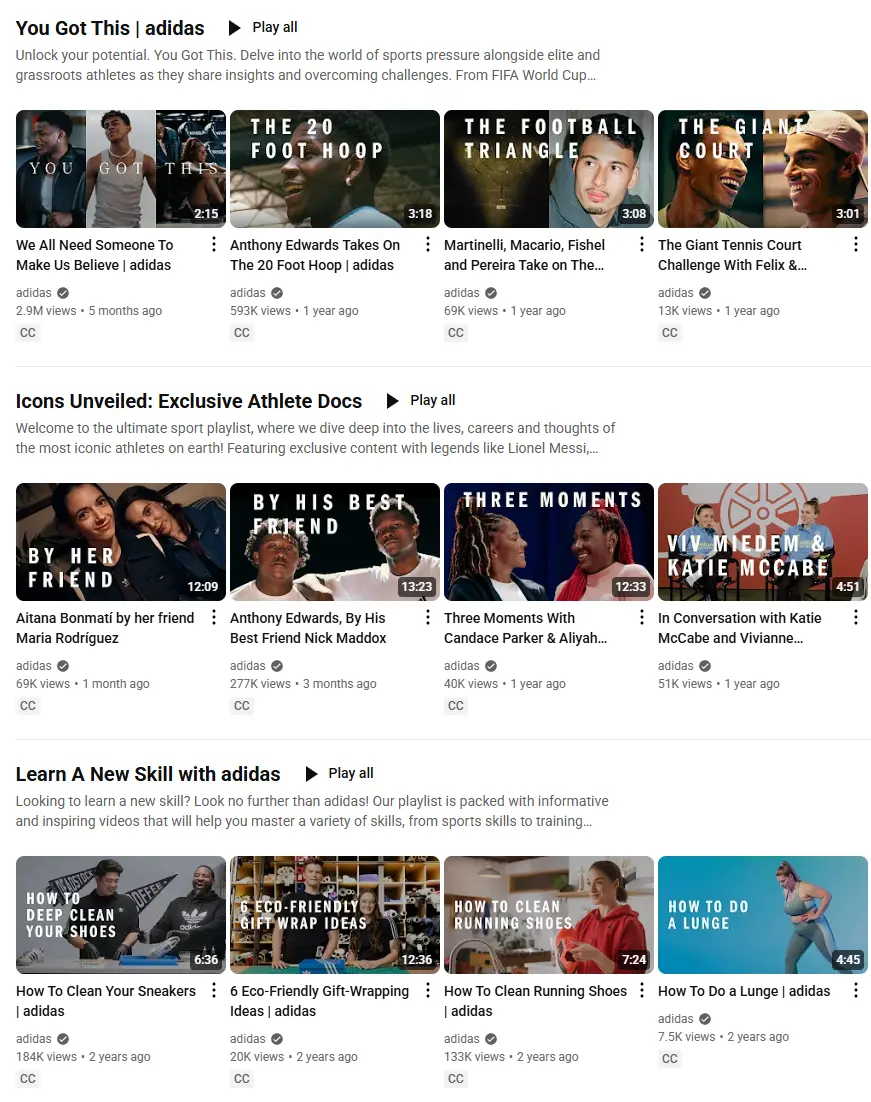
This is exactly the case with“Break Free”, a fake Adidas advertisement created in December 2016 by Eugen Merher, then a film school student.
An unofficial advertisement, but one that managed to do better than the brand itself.
A fake Adidas advertisement… that became cult
At first glance,“Break Free” resembles a classic institutional advertisement: melancholic tone, soft music, careful staging. However, it is neither an order from Adidas, nor a sponsored project.
Eugen Merher, a student at the Filmakademie Baden-Württemberg in Germany, created this spot as a university project to validate his year. The budget? €3,500.
And yet, the video quickly surpassed 9 million views on YouTube, eclipsing some official Adidas campaigns that peaked at 2 million.
The unfolding of the advertisement: a story full of humanity
The short film opens with an elderly man in a care home, visibly sad, disconnected from the world around him. He observes life through the window, particularly a young runner outside.
One day, he finds his old Adidas shoes, discarded in a bin. This simple act — putting them on again — triggers in him a symbolic rebirth.
He begins to train, to rediscover his zest for life, under the amused then admiring gaze of the other residents and staff. Despite the obstacles, he perseveres.
Eventually, with the support of his companions, he literally breaks down barriers and rushes outside to run, free, happy.
The ad concludes with a simple message:
“Break Free.”
A phrase that resonates far beyond the context of advertising.
A powerful message: freedom, passion and perseverance
The beauty of “Break Free” lies in its emotional simplicity.
Eugen Merher is not trying to sell a product, but to tell a universal feeling: the need to break free, to rediscover passion, even when everything seems frozen.
Sport here becomes a metaphor for freedom, and the pair of Adidas a symbol of emotional attachment.
The implicit message is clear:
“Big brands accompany us in the moments that matter. They become a part of our story.”
A lesson in emotional marketing
From a marketing perspective this student advertisement is a masterpiece of emotion and storytelling.
Without ever mentioning a specific product, “Break Free” reinforces the symbolic value of the Adidas brand: self-overcoming, authenticity, humanity.
Emotion becomes here the main vector of memorisation.
And the result speaks for itself:
Exceptional organic virality.
Millions of views without a media budget.
Articles and shares around the world.
And above all, a strong emotional association between Adidas and the feeling of freedom.

The paradox: an advertisement better than that of the brand
Irony of fate: Adidas initially rejected the project.
Despite several attempts to contact, Eugen Merher did not receive a response from the group.
Yet, the public reacted immediately.
The story circulated on social media, relayed by sites like Bird in Flight or Adweek, highlighting how this advertisement represented what big brands sometimes forget: true emotion.
The most fascinating thing is that this video has strengthened the image of Adidas, even though it was not the author.
The brand eventually reacted positively, offering an internship to Merher — which he will decline to pursue his freelance career.
Behind the ad: a promising director
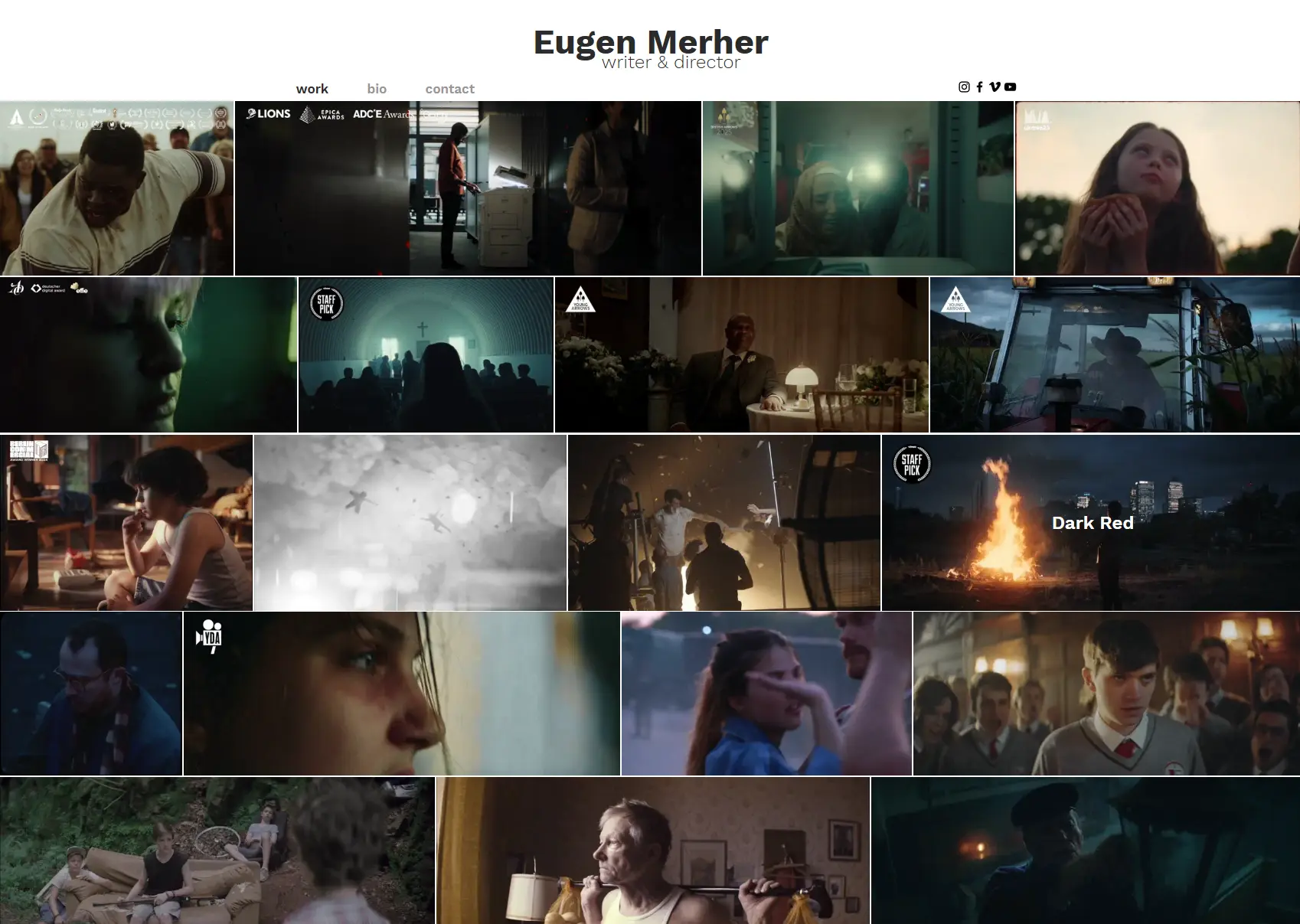
Since “Break Free”, Eugen Merher has established himself as one of the most talented young directors in Europe.
His style is distinguished by poetic storytelling and a particular care for visual emotion.
In 2022, he directed “The Boy Who Couldn’t Feel Pain”, a short film acclaimed at several festivals, confirming his talent for telling the human story through image.
This journey perfectly illustrates the power of sincere storytelling: the kind that touches the heart before aiming for the wallet.
When emotion becomes brand strategy
This advertisement demonstrates several key lessons in communication and brand strategy :
Authenticity transcends budget.
A video costing €3,500 can compete with a campaign costing €150,000, if it tells a true story.
Brands belong to their audience.
Even without official validation, consumers reclaim a brand's symbols when they recognise their own emotions in them.
Storytelling creates attachment.
The main character, his old Adidas and his personal rebirth become an allegory of the lasting bond between the brand and its customers.
Virality feeds on sincerity.
The organic success of“Break Free”shows that the public rewards sensitivity, not forced advertising.
An unofficial advertisement… but a symbolic victory
Ultimately, “Break Free” is more than just an advertisement.
It is a lesson in creativity, emotion, and modern marketing.
A proof that brands do not always control their image — but that the most beautiful stories often arise outside commercial constraints.
Eugen Merher, in seeking to tell the story of freedom, offered Adidas one of its most beautiful campaigns… without even being part of it.
And perhaps that is the magic of emotional marketing:
to make you feel before convincing.