A cult advertisement with an unexpected tone
A man in a red shirt, the logo Total embroidered on his chest, is talking on the phone at a petrol station.
Throughout the ad, he only utters one sound: a“hum hum”.
Customers come and go, fill up, pay, ask for products… and the attendant responds, still on the phone, with the same sound, creating an irresistible situational comedy.
Then, in a handover gesture, another man — in a black shirt — takes the phone, continuing the conversation with the same “hum hum.”
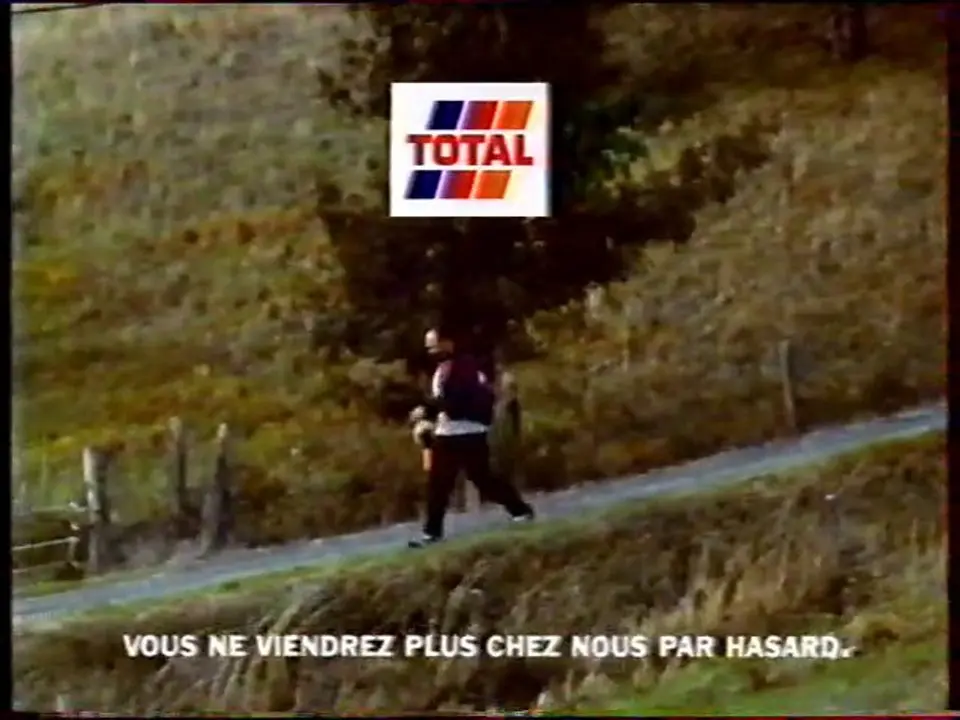
The ad concludes with the now-famous tagline:
“You won't come to us by chance anymore”
This advertisement, aired in the early 2000s (2002–2004), is one of the most iconic films of Total's repositioning strategy.
But behind the humour lies a genuinecrisis communication operation..
A delicate context: Total, a symbol of an industry losing its image.
By the end of the 1990s, the image of oil companies was at an all-time low.
Brands like Total, Shell or BP are perceived as cold, polluting and disconnected from consumers.
But for Total, the situation is even more critical:
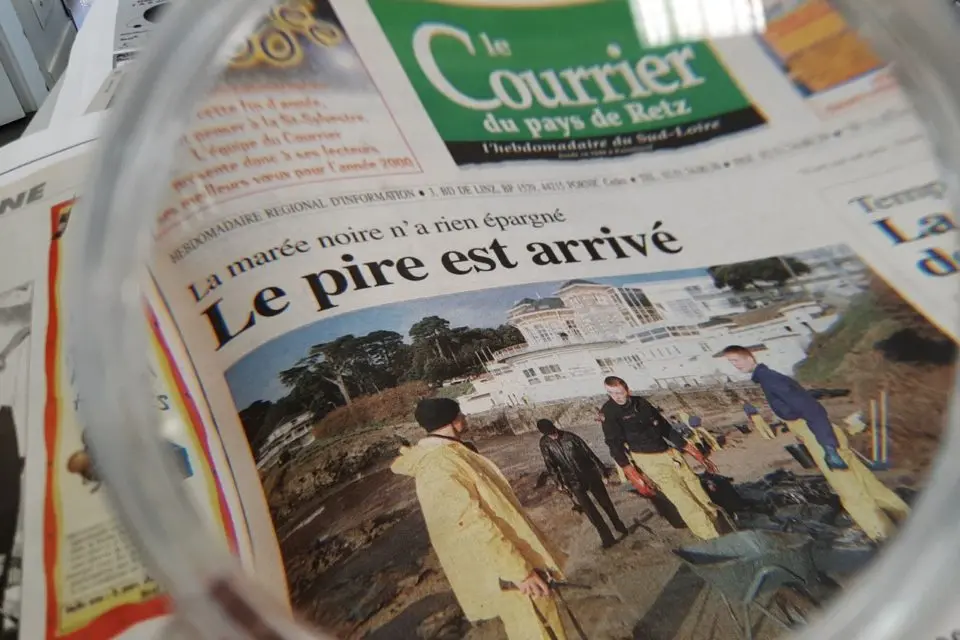
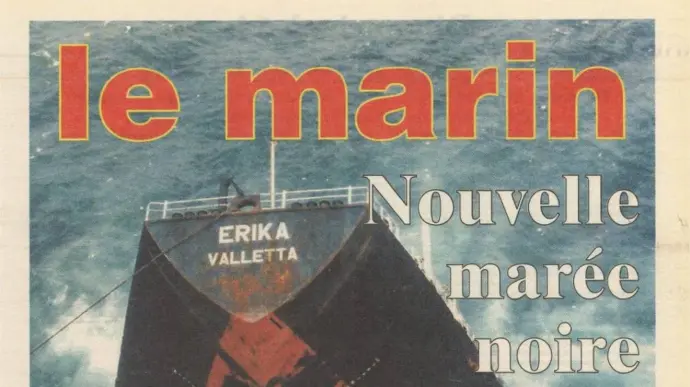
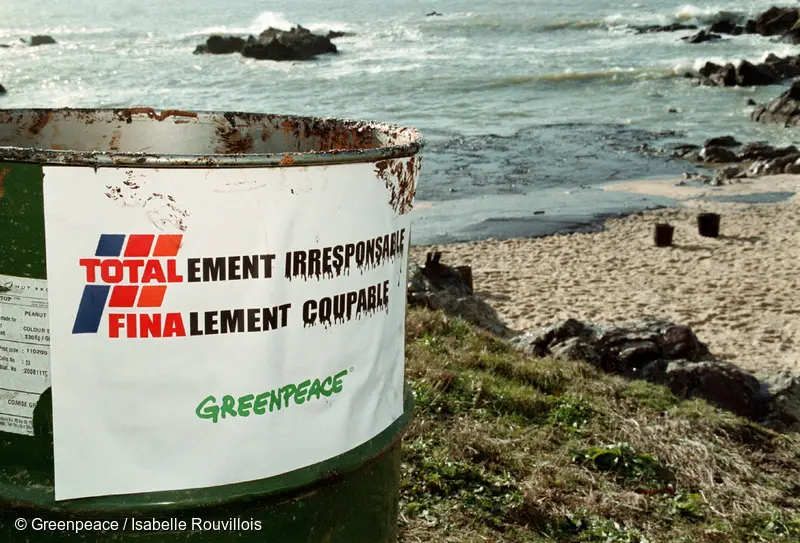
On December 12, 1999, the oil company. Erika, chartered by TotalFina, breaks in two off the Breton coast.
Result: over 20,000 tonnes of heavy fuel oil spills over 400 km of coastline, causing one of the worst oil spills in European history.
Hundreds of thousands of birds die, the beaches are covered in oil, and public opinion ignites.
The judicial verdict will be delivered in2007 :
Total is found criminally responsible, fined €375,000 and nearly €200 million in damages.
But the hardest thing to repair is the public's trust. A rethought communication strategy: humanisation through humour
A revamped communication strategy: humanisation through humour
Aware of the gap between its image and the general public, Total launches a series of advertisements that completely break with the technical coldness of the industry.
The message is clear:
“Our stations are not just petrol pumps. They are places of life.”
To embody this transformation, the brand focuses on humour, everyday little stories, and friendliness.
The campaign “You won’t come to us by chance anymore” shows light-hearted, sometimes absurd, but always human scenes of life.
Among the iconic spots:
"The Phone"(2003) – the famous petrol station attendant with the "hum hum", a symbol of a complicit and unexpected service.
"My Bunny"(2003) – a surreal and tender scene in a station.
"Lullaby"(2004) – an almost poetic short film, awarded at the Méribel Festival.
All these advertisements share the same ambition: to make Total likeable, to create an emotional connection and to re-enchant the customer experience.
A creative turning point by Rémy Belvaux
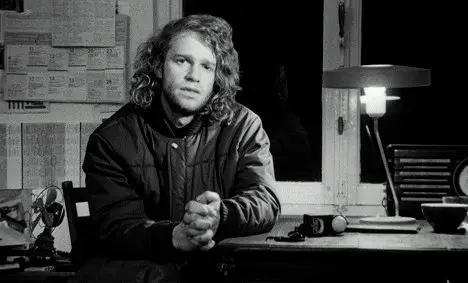
The success of this advertising saga owes much to its director: Rémy Belvaux, co-director of the cult film C'est arrivé près de chez vous.
His style blends everyday realism and cinematic absurdity, giving Total's advertisements a unique tone.
The spots, produced by CLM/BBDO, are filmed like little cinema scenes: implicit dialogues, body language, humorous punchlines…
We laugh, but we also feel a human warmth.
And that is precisely what Total sought to restore: a more human, closer, more amiable image.
A brand campaign above all
These films do not directly sell a product or service.
They do not talk about price, technical performance, or fuel.
This is what is called a brand advertisement (orcorporate advertising), whose main mission is to change public perception.
Total wants people to come “to them” by choice, not by necessity.
The slogan“You will no longer come to us by chance” perfectly reflects this desire to transform a habit into a brand preference.
In other words:
Total no longer sells just petrol, but a positive customer experience, a pleasant moment on the road.
Between sincerity and greenwashing: the double reading
However, this campaign cannot be understood without considering its post-crisis strategic dimension.
After the Erika disaster, the company is also looking to erase the collective memory of an ecological disaster.
Many therefore see it as an attempt at “image laundering”— a precursor to modern greenwashing.
Moreover, some media and NGOs will twist the slogan to:
“You will no longer come to us, even by chance.”
This tension between advertising humour and environmental reality perfectly illustrates the contradictions of corporate communication in the early 2000s.
But from a purely marketing, the manoeuvre is brilliant:
Total manages to re-establish sympathy, while preparing its future discourse around responsibility and service..
A public and critical success.
The results are not long in coming.
The campaigns are awarded at advertising festivals (notably in Méribel), and praised by professionals.
Specialised media such asCB News, StratégiesorCulturepubspeak of a major turning point for Total's image.
SurveysIpsosconfirm this popular success:
some advertisements, such as“Lullaby”, feature in the Top 10 favourite ads of the French in 2004.
The slogan is still well-known today, proof of its strong memory anchoring..
For many viewers, these spots resembled short films, funny and poetic, very far from the expected coldness of an oil brand.
A visionary campaign: humanity against automation.
What makes this advertisement even more fascinating today is its premonitory dimension.
At the beginning of the 2000s, petrol stations were not yet automated.
The petrol attendant, a central figure of the service, symbolises the human contact.
However, in our AI-dominated era, with self-service checkouts and unmanned kiosks, this type of advertising resonates strangely.
Total then reminded us that service is primarily a story of human relationships.
A simple but powerful idea:
It is people who make the difference, not machines.
Conclusion: a lesson in brand communication
The advertisement “The phone” from Total is not just a funny moment in French television: it is a case study in marketing and crisis communication.
It demonstrates how a company can:
Transform a tarnished image into a symbol of closeness.
Move from a technical discourse to an emotional narrative.
Use humour to restore trust without falling into pretentiousness.
But it also reminds us that no communication can completely erase actions.
If this campaign has given Total a more human image, it has not erased the memory of the Erika nor the environmental issues related to oil.